Modern Exterior Wood A Comprehensive Guide
Modern exterior wood offers a compelling blend of aesthetic appeal and enduring functionality. From Scandinavian simplicity to contemporary flair, this guide explores the diverse world of modern exterior wood styles, highlighting the crucial role of proper selection, integration with other materials, and sustainable practices. We’ll delve into the specifics of wood types, treatments, and maintenance to ensure your modern exterior stands the test of time.
This comprehensive overview covers everything from choosing the right wood species for your project to integrating it seamlessly with other modern materials like concrete, glass, and metal. We’ll also examine various wood accents, from cladding to decking, and explore the importance of sustainable practices in modern exterior design. Finally, we’ll present compelling case studies that showcase the beauty and versatility of modern exterior wood in real-world applications.
Modern Exterior Wood Styles
Modern exterior design increasingly incorporates wood, offering a blend of aesthetic appeal and environmental consciousness. The choice of wood style reflects the overall architectural vision, impacting the home’s character and visual appeal. Different styles, such as Scandinavian, contemporary, and minimalist, each utilize wood in distinct ways, conveying unique moods and atmospheres.
Various modern exterior wood styles emphasize the natural beauty of wood while adapting to contemporary design principles. These styles offer diverse options for homeowners seeking a visually appealing and sustainable aesthetic for their homes.
Scandinavian Exterior Wood Style
The Scandinavian style embraces simplicity and functionality, often incorporating light-colored wood for its warmth and connection to nature. Key characteristics include clean lines, natural materials, and a focus on creating a sense of spaciousness. In exterior design, this translates to the use of light-toned wood cladding, often in horizontal planks or shiplap patterns. Emphasis is placed on natural textures, showcasing the wood’s inherent beauty. Common architectural elements include large windows, allowing natural light to flood the interior, and minimalist rooflines. The use of wood often extends to exterior decks and railings, enhancing the overall connection with the surrounding environment.
Contemporary Exterior Wood Style
Contemporary exterior wood design is characterized by bold lines, modern shapes, and a focus on visual impact. Wood is frequently used in unexpected ways, such as intricate geometric patterns or layered textures. Exterior wood panels are often used in contrasting colors, creating a visually dynamic facade. Modern contemporary design often incorporates large expanses of glass, showcasing the natural beauty of the surrounding landscape. Architectural elements often feature cantilevered decks and unique framing designs that accentuate the wood’s structural integrity. The wood’s aesthetic is often enhanced by sleek metal accents and carefully planned lighting.
Minimalist Exterior Wood Style
Minimalist exterior wood styles prioritize simplicity and clean lines, focusing on the material’s inherent beauty. Wood is used sparingly but strategically, emphasizing its natural form and texture. Minimalist facades often feature large, unadorned panels of wood, allowing the wood’s grain and color to be the focal point. Architectural elements in this style often include open floor plans, seamless transitions between indoor and outdoor spaces, and the use of wood for minimalist fencing and landscaping. The minimalist aesthetic often focuses on functionality, with wood used to create a sense of calm and serenity.
| Wood Type | Style | Architectural Feature | Image Description |
|---|---|---|---|
| Light-toned Pine | Scandinavian | Horizontal wood cladding on the exterior walls | A light-toned pine exterior wall with horizontal planks. The wood’s natural grain is prominent, creating a warm and inviting atmosphere. |
| Dark-stained Cedar | Contemporary | Geometric patterns on the exterior wall using wood panels | A dark-stained cedar exterior wall features geometric patterns formed by different-sized wood panels. The interplay of light and shadow emphasizes the wood’s texture. |
| Natural Redwood | Minimalist | Large, unadorned wood panels on the exterior walls | Large, unadorned redwood panels form the entire exterior wall, allowing the wood’s natural grain and color to be the focal point. |
Wood Selection for Modern Exteriors: Modern Exterior Wood
Selecting the right wood for a modern exterior is crucial for achieving a lasting aesthetic appeal and structural integrity. Careful consideration of various factors, including durability, weather resistance, and visual compatibility with the overall design, is paramount. The chosen wood species must withstand the elements while complementing the architectural style.
Choosing wood involves evaluating its inherent properties, treatments, and finishes. This selection process requires a deep understanding of the wood’s ability to withstand the elements, maintain its aesthetic appeal, and offer long-term value.
Factors to Consider When Choosing Wood
The choice of wood for a modern exterior hinges on several critical factors. Durability and weather resistance are paramount to prevent decay, rot, and warping. The wood’s ability to withstand the local climate, including moisture, temperature fluctuations, and potential exposure to pests, is a primary concern. Equally important is the aesthetic appeal; the wood’s color, grain, and texture should harmonize with the architectural design and the surrounding landscape.
Suitable Wood Species for Modern Exteriors, Modern exterior wood
Several wood species exhibit excellent characteristics for modern exterior applications. The selection depends heavily on the project’s specific requirements and budget. Hardwoods, known for their strength and durability, are often preferred for load-bearing applications and elements requiring high resistance to weathering. Softwoods, while less dense, are frequently used due to their availability and cost-effectiveness. The inherent beauty and unique grain patterns of different species contribute significantly to the project’s visual appeal.
- Cedar: Known for its natural resistance to rot and insect infestation, cedar is a popular choice for its aesthetic qualities and relatively low maintenance. Its reddish-brown hue adds a warm, inviting touch to modern designs.
- Redwood: This wood boasts excellent durability and resistance to decay, making it a robust option for exterior applications. Its rich reddish-brown color provides a striking contrast against modern architecture.
- Ipe: Known for its extreme hardness and resistance to rot, insects, and weathering, Ipe is an excellent choice for high-end projects requiring exceptional longevity. Its dark brown hue offers a sophisticated and bold look.
- Pressure-Treated Pine: Often used as a more budget-friendly alternative to other hardwoods, pressure-treated pine is treated with chemicals to increase its resistance to decay and insect damage. This treatment, however, can impact the wood’s natural aesthetic.
Wood Treatments and Finishes
Various treatments and finishes enhance the durability and aesthetic appeal of exterior wood. These treatments significantly impact the wood’s longevity and visual appearance. Applying these treatments is an essential step to extend the wood’s lifespan and protect it from environmental factors.
- Staining: Staining offers a range of colors and finishes to complement the architecture while enhancing the wood’s natural beauty. It is a popular choice for its aesthetic flexibility and relative ease of application.
- Painting: Painting provides a more versatile approach to exterior protection and aesthetic customization. Different paint types offer varying levels of durability and protection, enabling a wide range of colors and finishes.
- Sealers: Sealers are applied to protect wood from moisture and the elements. Their effectiveness varies based on the type of sealer and its application method.
Wood Type Comparison Table
| Wood Type | Cost | Durability | Maintenance Requirements |
|---|---|---|---|
| Cedar | Moderate | Good | Regular cleaning and occasional resealing |
| Redwood | Moderate-High | Excellent | Regular cleaning and occasional resealing |
| Ipe | High | Exceptional | Minimal maintenance, occasional cleaning |
| Pressure-Treated Pine | Low | Good (with treatment) | Regular cleaning and reapplication of treatment |
Integration of Wood with Other Materials
Source: contemporist.com
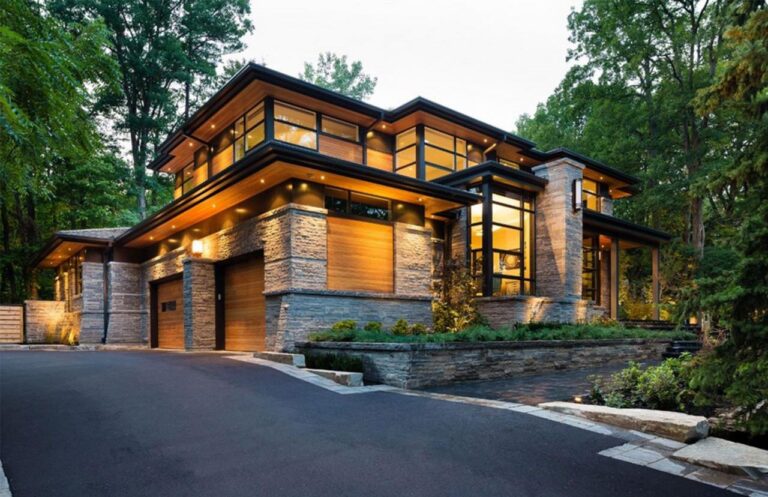
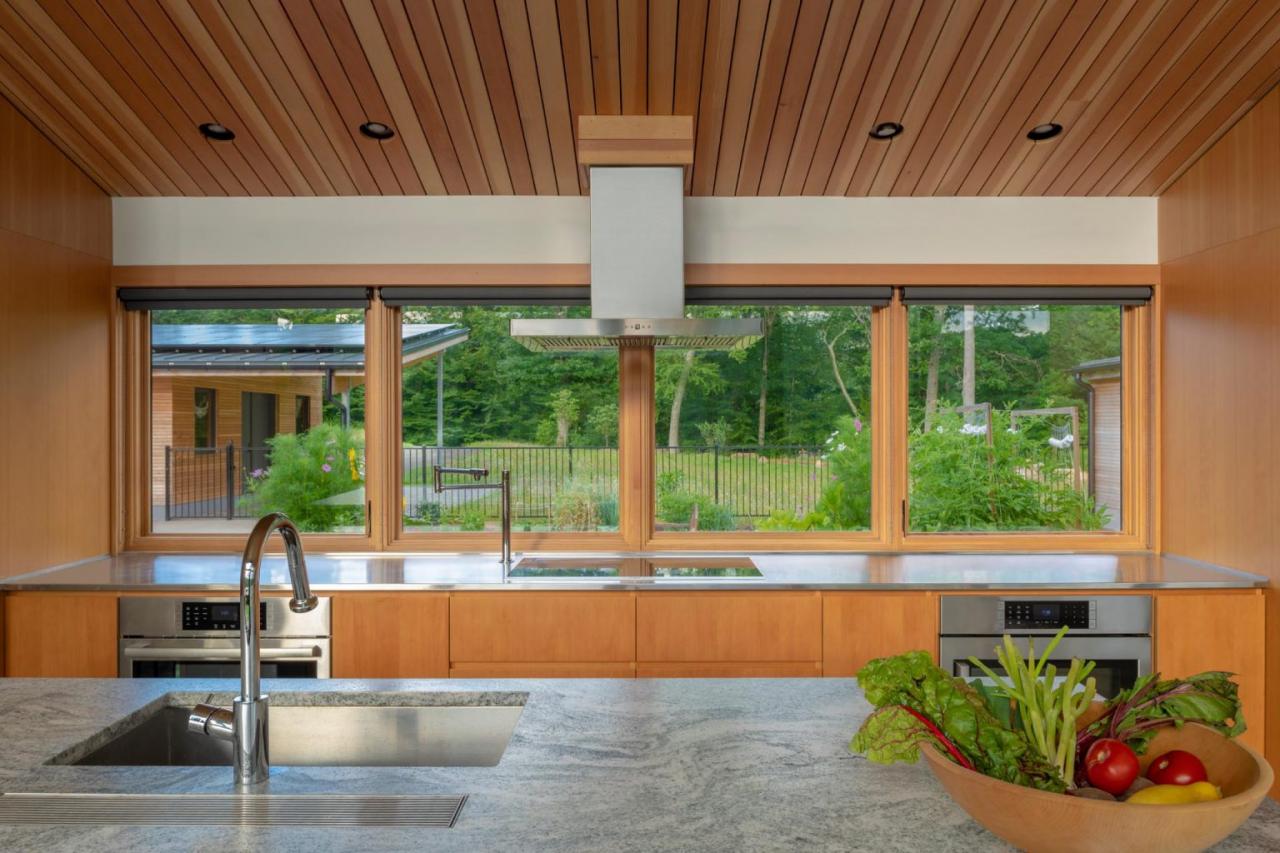
Modern exterior design often seeks to create a harmonious blend of materials, leveraging their unique qualities to achieve both aesthetic appeal and practical functionality. Integrating wood with other contemporary materials allows for a nuanced approach to architectural design, creating visually striking and durable exteriors. This section explores the common pairings of wood with other materials, highlighting the diverse possibilities in modern home design.
Common Modern Exterior Materials Paired with Wood
Wood, with its inherent warmth and natural beauty, can be effectively integrated with a variety of contemporary materials. Concrete, glass, metal, and stone are frequently used in conjunction with wood, offering a range of visual and tactile experiences. These combinations can result in visually appealing and structurally sound exteriors, catering to the demands of modern living.
Concrete
Concrete, known for its strength and versatility, provides a robust counterpoint to the natural character of wood. The interplay between the raw, textured surface of concrete and the warm, organic grain of wood creates a captivating visual contrast. The juxtaposition can be further enhanced by varying the finishes applied to each material, such as polished concrete floors and weathered wood siding. For instance, a modern home might feature a concrete foundation with a wooden deck, or a concrete wall accented with wooden beams, creating a striking interplay between the materials.
Glass
Glass, with its transparency and reflective qualities, enhances the interplay of light and shadow in a modern exterior. Pairing glass with wood can create a sense of spaciousness and openness, particularly when used in large windows or sliding doors that seamlessly connect the interior and exterior spaces. The combination of glass and wood can also offer a modern interpretation of classic architectural styles, achieving a striking balance of tradition and innovation. For example, a home with large glass walls and wooden frames allows natural light to flood the interior while maintaining an elegant exterior aesthetic.
Metal
Metal, with its durability and diverse aesthetic options, can offer a strong and modern contrast to the natural warmth of wood. From sleek steel accents to warm-toned copper or zinc cladding, metal offers flexibility in terms of design. The combination of wood and metal can create a striking visual effect, enhancing the overall architectural expression of a home. Consider, for instance, a home with metal railings and wooden fencing, or a home with metal roofing and wooden siding, creating a unique modern look.
Stone
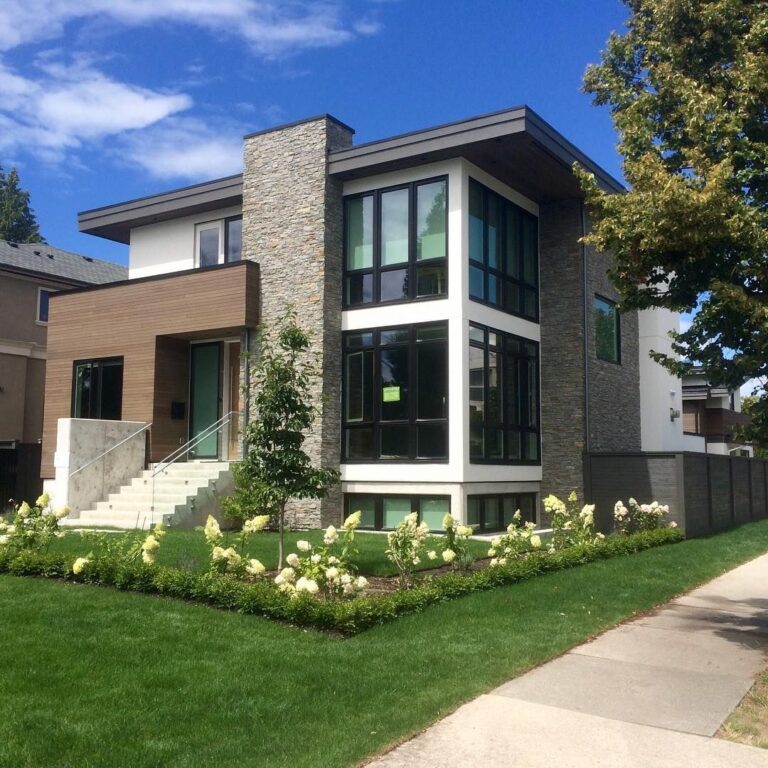
Stone, with its timeless appeal and natural durability, can complement the character of wood in a modern exterior design. The use of stone in cladding, or as accents in combination with wooden beams or panels, can create a sophisticated and visually interesting effect. The combination of stone and wood can also create a sense of grounding and stability in a modern home. For instance, a home might incorporate stone veneer walls with wooden window frames or a stone fireplace with a wooden mantelpiece, creating a balanced aesthetic.
Material Pairings Table
| Material Pairing | Design Considerations | Visual Effects |
|---|---|---|
| Wood & Concrete | Contrast between organic and industrial; texture variations | Captivating, modern, and visually striking |
| Wood & Glass | Openness, light penetration, and frame design | Spacious, airy, and elegant |
| Wood & Metal | Durability, modern accents, color, and texture variations | Strong, sophisticated, and visually appealing |
| Wood & Stone | Timeless appeal, grounding, cladding, or accents | Sophisticated, balanced, and visually interesting |
Modern Exterior Wood Accents
Source: rawpixel.com
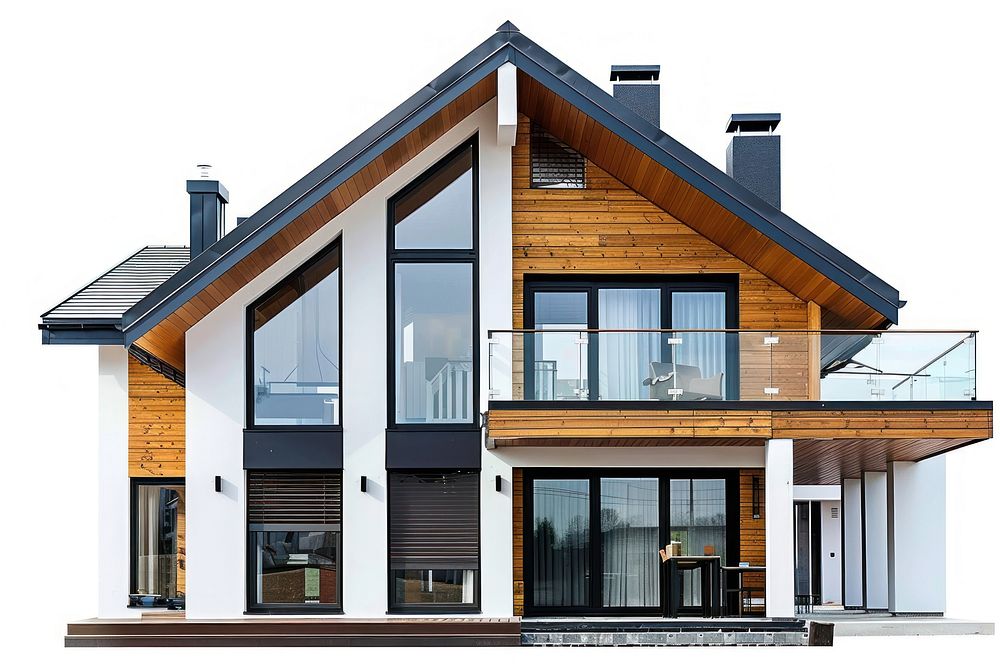
Modern exterior design often prioritizes clean lines and minimalist aesthetics. However, incorporating wood accents strategically can add warmth, texture, and visual interest without compromising the contemporary feel. These accents can transform a simple facade into a sophisticated and inviting space.
Subtle yet impactful, wood accents in modern exteriors allow for a dynamic interplay between raw materials and sleek design elements. By carefully selecting wood types and placement, architects and homeowners can create a harmonious balance between the natural beauty of wood and the architectural precision of modern design.
Cladding Accents
Wood cladding, a popular choice for modern exteriors, offers a range of possibilities. From vertical battens to horizontal planks, the choice of cladding style significantly influences the building’s visual character. Vertical cladding, for instance, creates a modern and streamlined look, while horizontal planks evoke a sense of calm and grounded presence. The material and finish of the wood also play a crucial role in shaping the overall aesthetic. A light-colored, smooth-finished wood, such as cedar, can enhance a contemporary aesthetic, whereas a darker, rough-hewn wood, such as ipe, can introduce a more rustic, industrial edge.
Fencing and Screening
Wood fences and screens can be more than just functional barriers; they can be striking design elements that define outdoor spaces. Modern fences often feature clean lines, minimal ornamentation, and strategic placement of the wood to maximize visual impact. Consider using a contrasting wood tone to highlight the structure, or employ a natural wood finish to blend the fence with the surrounding landscape.
Pergolas and Gazebos
Pergolas and gazebos offer a welcome extension of the living space, allowing for shade and outdoor gatherings. Modern interpretations of these structures frequently utilize a minimalist approach to design. For instance, a pergola with a simple, geometrically shaped roof and exposed wooden beams adds a touch of contemporary sophistication. The choice of wood plays a key role in the design. Light-colored, treated woods can complement a modern home, while darker woods can create a more dramatic focal point.
Decking and Patio Structures
Wood decking and patio structures are essential elements in creating outdoor living areas. Modern designs often prioritize functionality and durability, employing a variety of wood types and construction techniques. The use of composite decking materials is growing, offering an alternative that’s low-maintenance and resistant to rot. However, natural wood remains a popular choice, adding a natural warmth to the exterior. The design of the decking should align with the overall modern aesthetic of the home, with clean lines and a focus on functionality.
Exterior Wood Accent Categorization
| Accent Type | Common Uses | Visual Impact |
|---|---|---|
| Siding | Enveloping the exterior walls of a structure | Provides a primary facade, shaping the building’s profile. Varied styles (vertical, horizontal, shiplap) create distinct looks. |
| Beams | Structural support in roofs, porches, and other elements | Adds a sense of architectural interest and visual depth. Exposed beams can be a significant design feature. |
| Railings | Protecting edges, creating transitions, and enhancing walkways | Can be decorative or functional, with a variety of designs and styles. The material choice significantly impacts the aesthetic. |
| Fences | Defining property boundaries and creating outdoor spaces | Creates a sense of privacy and delineation. Modern designs focus on clean lines and minimal embellishments. |
| Decking | Creating outdoor living spaces like patios and terraces | Adds a layer of comfort and practicality to outdoor living areas. Wood type, treatment, and design elements greatly impact the look. |
Sustainable Practices in Modern Wood Exteriors
Modern exterior wood projects are increasingly incorporating sustainable practices, reflecting a growing awareness of environmental responsibility. This conscious approach aligns seamlessly with contemporary design philosophies that prioritize both aesthetics and ecological impact. Choosing sustainable wood ensures a reduced carbon footprint and contributes to the long-term health of our planet.
Sustainable wood sourcing is paramount in modern exterior projects. Responsible forestry practices are crucial to maintaining healthy forests and ensuring a continuous supply of high-quality timber. The choice of wood directly impacts the environmental footprint of the project, from the forest to the final installation.
Importance of Sustainable Wood Sourcing
Responsible forestry practices are essential for maintaining the health of our forests. These practices include selective logging, reforestation efforts, and careful consideration of the impact on biodiversity. Sustainable forestry ensures that the timber harvest doesn’t deplete the forest’s resources, enabling its continued health and resilience. A healthy forest is a crucial part of a sustainable ecosystem.
Certifications and Labels
Numerous certifications and labels signify the commitment to sustainable forestry practices. These certifications ensure that the wood used has been harvested responsibly and comes from well-managed forests. Examples include the Forest Stewardship Council (FSC) certification, which ensures responsible forest management. The Programme for the Endorsement of Forest Certification (PEFC) also provides a robust certification scheme.
Benefits of Reclaimed or Recycled Wood
Reclaimed or recycled wood offers a unique aesthetic and environmental advantage. These materials often come with a rich history, adding character and depth to modern exterior designs. The reuse of existing materials reduces the demand for newly harvested timber, contributing to a lower carbon footprint. Moreover, reclaimed wood frequently displays unique patterns and textures, offering a distinctive character to the final project.
Alignment with Modern Design Philosophies
Sustainable choices in modern exterior designs often prioritize material longevity and reduced environmental impact. This approach resonates with the core values of contemporary design, emphasizing responsible resource management and minimizing waste. Modern architects and designers are increasingly integrating sustainable materials, creating buildings that are both aesthetically pleasing and environmentally friendly. Examples include projects that showcase reclaimed wood, FSC-certified timber, and designs incorporating recycled materials. These elements create a modern aesthetic that respects the environment.
Modern Exterior Wood Maintenance
Proper maintenance of exterior wood is crucial for ensuring its longevity and preserving its aesthetic appeal. Neglecting upkeep can lead to premature deterioration, requiring costly repairs and replacements. A proactive approach to maintenance not only extends the lifespan of the wood but also enhances its visual appeal, maintaining the modern aesthetic of the exterior design.
Exterior wood, susceptible to environmental factors like sun exposure, moisture, and temperature fluctuations, requires consistent care to prevent damage. Different wood types and finishes necessitate specific maintenance regimens, which will be explored in detail. Understanding these nuances and adhering to a regular maintenance schedule is key to preserving the structural integrity and visual appeal of the exterior.
Importance of Wood Protection and Preservation
Effective wood protection and preservation strategies are essential for maintaining the structural integrity and aesthetic appeal of modern exterior wood. Properly treated wood is more resistant to rot, decay, and insect infestation, minimizing the need for costly repairs and replacements. This proactive approach ultimately saves time and money in the long run.
Methods of Wood Protection and Preservation
Various methods are available for protecting exterior wood. These methods include using specialized sealants, paints, stains, and preservatives. Each method offers varying levels of protection and aesthetic appeal, aligning with different modern design preferences. Selecting the right method depends on the specific wood type, desired aesthetic, and the level of protection needed.
- Sealants: Sealants create a barrier against moisture and UV radiation, protecting the wood from deterioration. Different sealants offer varying levels of protection, with some penetrating the wood and others forming a protective surface layer. Choosing the right sealant type depends on the specific wood type and the desired level of protection.
- Paints: Paints provide a durable, protective coating that can enhance the aesthetic appeal of the wood. Different paint types offer various levels of durability and weather resistance, allowing for a wide range of finishes and modern design choices.
- Stains: Stains penetrate the wood, enhancing its natural beauty while protecting the elements. Different stains offer varying levels of color intensity and UV protection. This method preserves the wood’s natural grain while enhancing its visual appeal, particularly for a modern, minimalist aesthetic.
- Preservatives: Preservatives are chemicals designed to protect wood from rot, decay, and insect infestation. They are often used in conjunction with other treatments to provide a comprehensive level of protection.
Frequency and Type of Maintenance
The frequency and type of maintenance required for exterior wood depend significantly on the specific wood type, finish, and environmental conditions. For instance, pressure-treated lumber often requires less frequent maintenance compared to untreated hardwoods. Proper assessment of the wood’s condition and the surrounding environment are crucial for developing an effective maintenance schedule.
| Wood Type | Finish | Maintenance Frequency | Maintenance Type |
|---|---|---|---|
| Pressure-treated lumber | Staining | Annually or every two years | Cleaning, inspection for damage, and reapplication of stain if necessary |
| Cedar | Staining | Every 2-3 years | Cleaning, inspection for insect damage, and reapplication of stain if necessary |
| Redwood | Staining/Sealing | Every 3-5 years | Cleaning, inspection for insect damage, and reapplication of finish |
Step-by-Step Guide for Exterior Wood Maintenance
A structured approach to exterior wood maintenance is essential for preserving its longevity and aesthetic appeal.
- Assessment: Begin by thoroughly inspecting the wood for any signs of damage, such as rot, insect infestation, or loose fasteners. Note the current condition of the finish.
- Cleaning: Use a suitable cleaning solution (water-based for most types of wood). Remove dirt, debris, and mildew. Pay particular attention to areas where moisture collects. Cleaning equipment should be chosen carefully to avoid scratching the wood surface.
- Repair: Address any identified damage promptly. This may involve replacing damaged boards, repairing cracks, or reinforcing loose fasteners. Ensure the repairs match the existing wood color and grain pattern for a seamless result.
- Protection: Reapply the appropriate sealant, stain, or paint based on the wood type and finish. Follow the manufacturer’s instructions carefully for optimal results. Consider factors like climate and sun exposure.
- Safety Precautions: Always wear appropriate safety gear, including gloves and eye protection. Use caution when handling cleaning solutions or other chemicals.
Case Studies of Modern Exterior Wood Designs
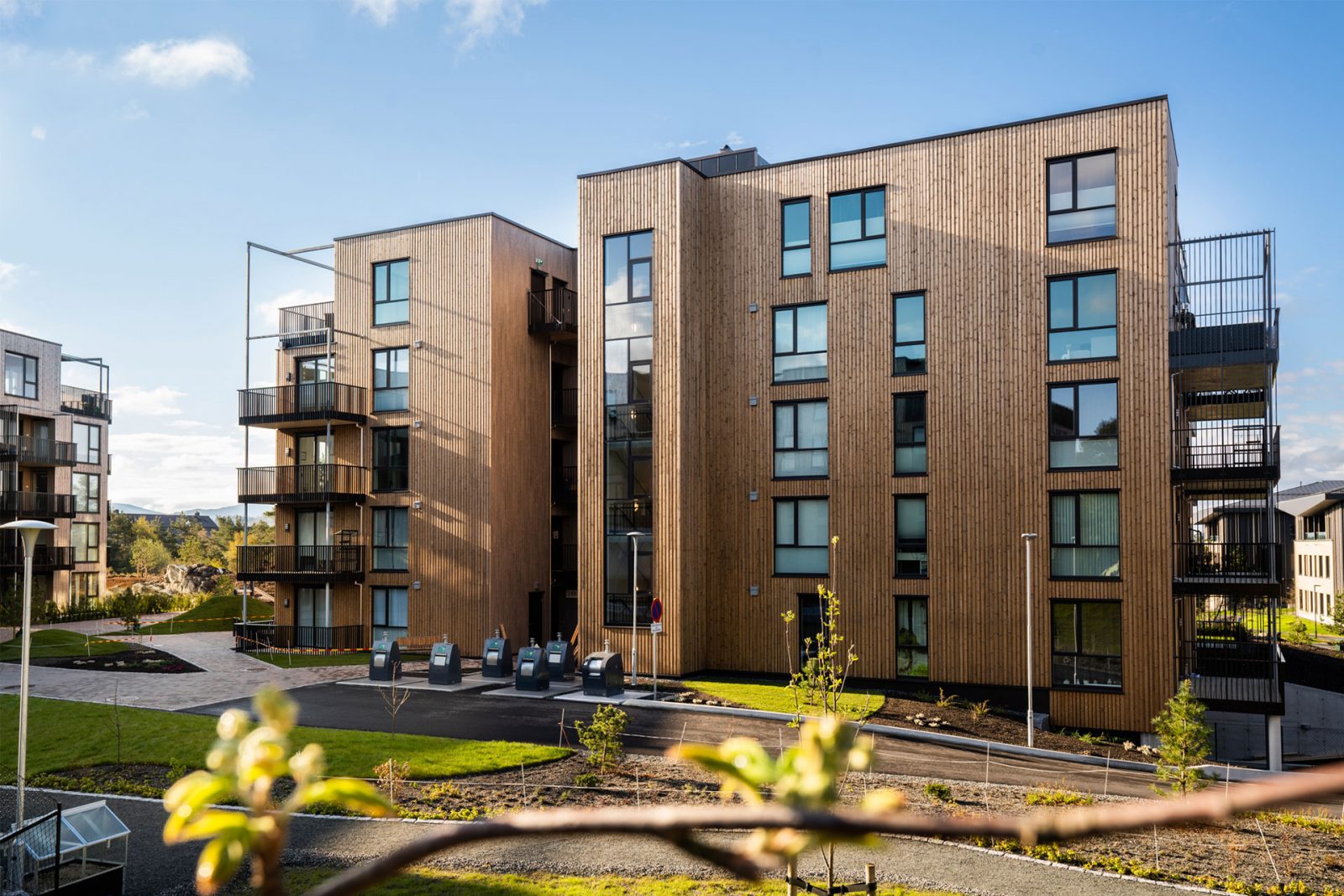
Modern architecture increasingly embraces the natural beauty and warmth of wood in exterior designs. These case studies showcase how architects and designers are integrating wood into contemporary homes, demonstrating the versatility and aesthetic appeal of this material. From minimalist aesthetics to bold statements, the utilization of wood in exterior elements has evolved into a sophisticated design element.
These case studies delve into the specifics of each project, analyzing the selection of wood types, the integration with other materials, and the overall impact on the home’s design and functionality. Each example highlights the careful consideration given to sustainability, maintenance, and the long-term performance of the wood in the given environment.
Modern Farmhouse with Exposed Wood Beams
This contemporary farmhouse utilizes exposed wood beams as a central design feature. The beams, crafted from sustainably harvested oak, run across the ceiling and support the roof, adding a touch of rustic charm to the otherwise modern aesthetic.
“The use of exposed wood beams creates a visual connection between the interior and exterior, while maintaining a clean, uncluttered aesthetic.”
The light-colored oak contrasts beautifully with the white exterior walls, and the warmth of the wood complements the modern lines of the house. The architect used a clear sealant to highlight the natural beauty of the wood, emphasizing its inherent texture and grain. The chosen wood type was resistant to moisture and decay, ensuring longevity in the region’s climate.
Coastal Modern Home with Cedar Siding
This coastal modern home features cedar siding that seamlessly integrates with the surrounding environment. The light-toned cedar complements the sandy beach backdrop and the blue ocean views, creating a harmonious connection with the natural surroundings.
“The cedar siding offers a natural and visually appealing solution for a coastal home, providing a blend of modern and natural aesthetics.”
The architects meticulously selected a cedar variety resistant to moisture and marine environments. The wood’s natural weathering properties are embraced, creating a unique and durable finish. The siding’s horizontal lines, coupled with the home’s simple, geometric design, emphasize a relaxed, beachside aesthetic. The integration of large windows allows natural light to flood the interior, further enhancing the home’s connection with the outdoors.
Minimalist Modern Villa with Reclaimed Wood Decking
This minimalist modern villa showcases the use of reclaimed wood decking. The decking, crafted from repurposed wood, adds a unique character and sustainability to the design.
“Reclaimed wood decking provides a distinctive aesthetic and contributes to the project’s sustainability goals.”
The architects selected reclaimed wood with visible signs of age and weathering, adding a rustic touch to the otherwise clean lines of the villa. The reclaimed wood’s varied tones and textures create a visually appealing contrast against the villa’s white stucco walls. The chosen wood was pre-treated for longevity and durability in the villa’s climate. The deck’s design extends the living space seamlessly into the surrounding landscape.
Modern Loft with Exterior Wood Panels
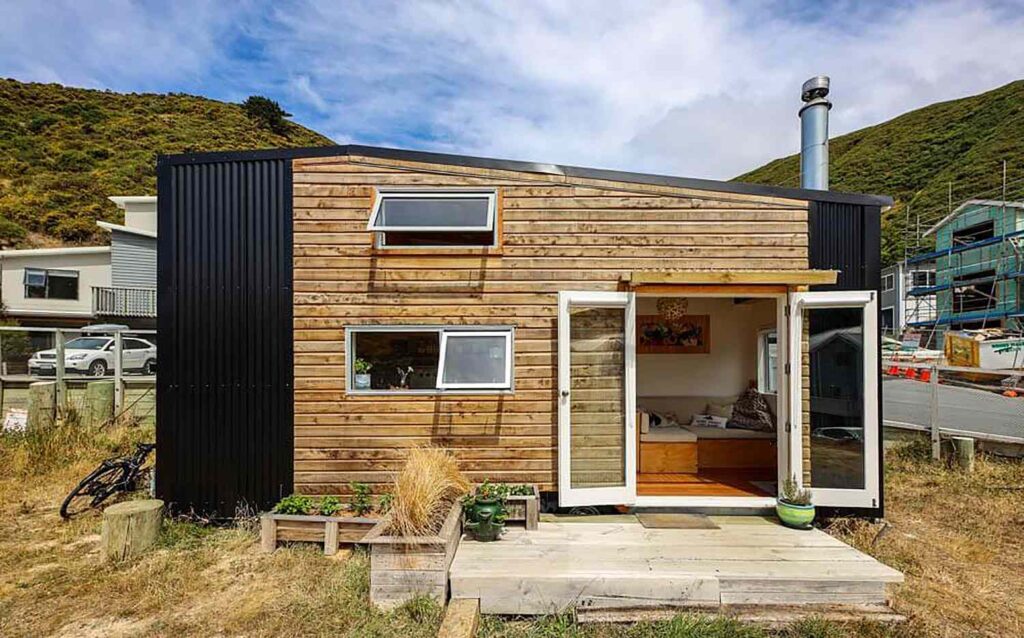
This modern loft features exterior wood panels that create a unique and distinctive facade. The panels, constructed from sustainably sourced pine, offer a modern take on traditional cladding.
“The exterior wood panels provide a warm, inviting facade while maintaining a contemporary aesthetic.”
The architects selected vertical wood panels that add a unique texture and depth to the loft’s design. The warm tone of the pine complements the building’s overall color palette. The use of a protective coating ensures the panels will withstand the elements and maintain their appearance over time. This design choice creates a visually engaging exterior while maintaining a modern architectural style.
End of Discussion
In conclusion, modern exterior wood provides a powerful platform for architects and homeowners to create stunning and enduring structures. By carefully considering wood styles, selection, integration with other materials, and sustainable practices, you can achieve a beautiful and lasting exterior that reflects your unique design vision. This guide offers a thorough understanding of the process, equipping you with the knowledge to make informed decisions and create a truly exceptional modern exterior.